







Washington Lawmakers Renew Push to Allow Homegrown Cannabis for Personal Use
01/30/2026
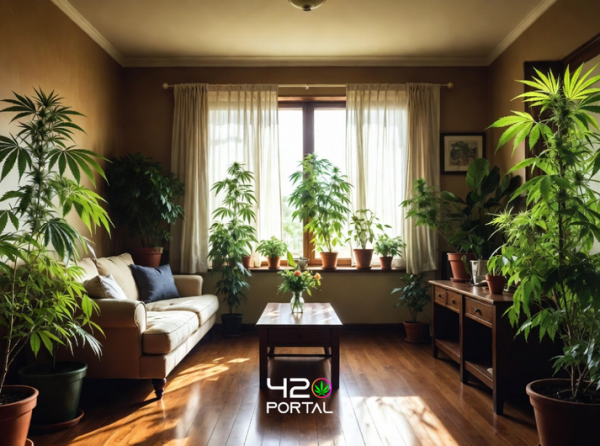
Lawmakers in Washington state have introduced new legislation to permit adults to cultivate cannabis plants at home for personal use. This effort, marking the 11th consecutive year of similar proposals since recreational marijuana legalization in 2012, aims to align the state with most other jurisdictions that allow both sales and home growing.
The proposed bills would let individuals aged 21 and older grow up to six plants per person. Households with two adults could cultivate as many as 12 plants, while those with three or more adults would be limited to 15 plants total per residence. No state agency would directly regulate or license home cultivation. Certain restrictions would apply, such as bans on growing in homes involved in foster care or family day care operations. In some cases, plants would need to remain out of public view, and excessive odors could trigger civil penalties.
Violations such as exceeding plant limits may result in law enforcement seizing and destroying excess plants, which requires a warrant and probable cause. The measures include companion bills in both the Senate and House, with recent committee hearings held or scheduled to discuss the changes.
Supporters point out that Washington remains one of the few states prohibiting home cultivation despite legal retail markets. They contend that personal growing poses little threat to licensed businesses, since cultivation requires effort and skill. Advocates also highlight equity concerns, noting that enforcement of the current ban has disproportionately affected communities of color through arrests and penalties.
Opponents, including some law enforcement organizations and local governments, worry about potential increases in youth exposure, normalization of cannabis use, added enforcement demands, and possible reductions in state tax revenue from retail sales. Previous attempts over more than a decade have failed, leaving the prohibition in place while neighboring states like Colorado have long permitted home cultivation.
Reference
The proposed bills would let individuals aged 21 and older grow up to six plants per person. Households with two adults could cultivate as many as 12 plants, while those with three or more adults would be limited to 15 plants total per residence. No state agency would directly regulate or license home cultivation. Certain restrictions would apply, such as bans on growing in homes involved in foster care or family day care operations. In some cases, plants would need to remain out of public view, and excessive odors could trigger civil penalties.
Violations such as exceeding plant limits may result in law enforcement seizing and destroying excess plants, which requires a warrant and probable cause. The measures include companion bills in both the Senate and House, with recent committee hearings held or scheduled to discuss the changes.
Supporters point out that Washington remains one of the few states prohibiting home cultivation despite legal retail markets. They contend that personal growing poses little threat to licensed businesses, since cultivation requires effort and skill. Advocates also highlight equity concerns, noting that enforcement of the current ban has disproportionately affected communities of color through arrests and penalties.
Opponents, including some law enforcement organizations and local governments, worry about potential increases in youth exposure, normalization of cannabis use, added enforcement demands, and possible reductions in state tax revenue from retail sales. Previous attempts over more than a decade have failed, leaving the prohibition in place while neighboring states like Colorado have long permitted home cultivation.
Reference