







Virginia Governor Vetoes Retail Marijuana Sales Legislation
05/22/2026
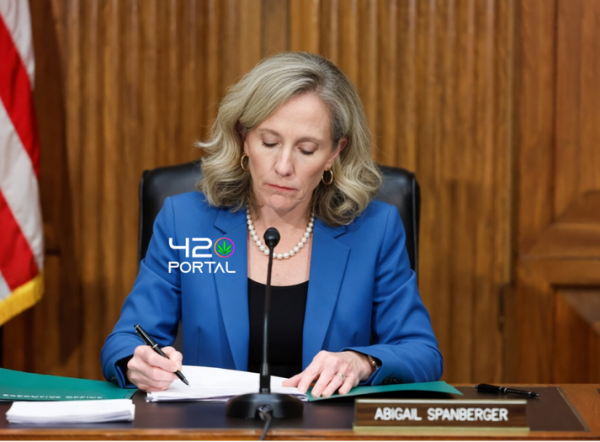
Virginia stands at a crossroads in its approach to recreational marijuana following Governor Abigail Spanberger's decision to block a bill authorizing retail sales. Five years after the initial legalization of possession and personal use, the commonwealth has yet to implement a full commercial framework.
Lawmakers had advanced the measure to create licensed dispensaries, aiming to shift activity away from the existing illicit market. Supporters argued that regulated retail outlets would generate tax revenue, ensure product safety through testing and labeling standards, and reduce unregulated sales that often occur without age verification or quality controls. They pointed to the reality of widespread availability through informal channels and emphasized the need for state oversight to protect consumers and generate funds for public programs.
The governor, while expressing support for an eventual legal marketplace, cited concerns over insufficient safeguards. She stressed the importance of drawing on experiences in other states, where early rollout challenges included inadequate enforcement resources, risks to youth access, and difficulties curbing black-market operations. Proposed amendments had called for a delayed launch to July 2027, allowing time to strengthen compliance mechanisms, inspection protocols, and penalties for violations. These changes also targeted practices by certain retailers that might appeal to minors, such as flavored products or aggressive marketing.
The General Assembly's rejection of those amendments led directly to the veto. The move prolongs the current situation in which adults may possess marijuana legally but lack safe, regulated purchasing options. This gap contributes to continued reliance on unlicensed sellers, potentially exposing users to inconsistent potency, contaminants, or products lacking proper child-resistant packaging.
Policymakers now face the task of refining proposals to address enforcement gaps while capitalizing on the economic potential of a legal marijuana industry. Future efforts may involve enhanced funding for regulatory bodies, stricter advertising rules, and coordination with local governments to control outlet density near schools and residential areas.
Reference
Lawmakers had advanced the measure to create licensed dispensaries, aiming to shift activity away from the existing illicit market. Supporters argued that regulated retail outlets would generate tax revenue, ensure product safety through testing and labeling standards, and reduce unregulated sales that often occur without age verification or quality controls. They pointed to the reality of widespread availability through informal channels and emphasized the need for state oversight to protect consumers and generate funds for public programs.
The governor, while expressing support for an eventual legal marketplace, cited concerns over insufficient safeguards. She stressed the importance of drawing on experiences in other states, where early rollout challenges included inadequate enforcement resources, risks to youth access, and difficulties curbing black-market operations. Proposed amendments had called for a delayed launch to July 2027, allowing time to strengthen compliance mechanisms, inspection protocols, and penalties for violations. These changes also targeted practices by certain retailers that might appeal to minors, such as flavored products or aggressive marketing.
The General Assembly's rejection of those amendments led directly to the veto. The move prolongs the current situation in which adults may possess marijuana legally but lack safe, regulated purchasing options. This gap contributes to continued reliance on unlicensed sellers, potentially exposing users to inconsistent potency, contaminants, or products lacking proper child-resistant packaging.
Policymakers now face the task of refining proposals to address enforcement gaps while capitalizing on the economic potential of a legal marijuana industry. Future efforts may involve enhanced funding for regulatory bodies, stricter advertising rules, and coordination with local governments to control outlet density near schools and residential areas.
Reference