







US Hemp Ban Reshapes Wellness and Beverage Markets
12/05/2025
A sweeping federal prohibition on most hemp-derived products is set to transform the landscape of wellness supplements and recreational beverages across the United States. The legislation, tucked into a broader funding measure, reclassifies hemp to permit only minuscule traces of THC—capped at 0.4 milligrams per package—effectively outlawing popular items such as CBD oils, topical balms, and infused drinks that contain higher levels of cannabinoids.
This move draws a sharper line between legal hemp, derived from low-THC industrial plants, and cannabis, which remains confined to state-licensed outlets with elevated THC content. By curbing interstate sales and online distribution, the policy aims to channel these goods through tightly controlled channels, potentially sidelining a multibillion-dollar sector that has boomed in recent years.
Lawmakers justified the restrictions as a safeguard against unregulated potency and misleading labeling, arguing that many hemp products skirt too close to intoxicating cannabis variants. Enforcement will dismantle the national supply chain, forcing producers to halt shipments across state lines and adapt to fragmented local rules. In states like Kentucky, New York, and Illinois that already regulate cannabis, hemp operations might persist in a parallel structure, but elsewhere, businesses face abrupt closures or costly pivots to dispensary models.
The industry, reeling from the decision, warns of dire consequences for consumers and entrepreneurs alike. Hemp advocates point out the irony: while marijuana markets thrive despite federal illegality, hemp faces stricter scrutiny despite its non-intoxicating roots. Full-spectrum CBD formulations, prized for the "entourage effect" where THC traces enhance therapeutic benefits like pain relief and anxiety reduction, will lose potency if reformulated to comply. Studies underscore how these synergies amplify efficacy, leaving users with diluted alternatives that may fall short.
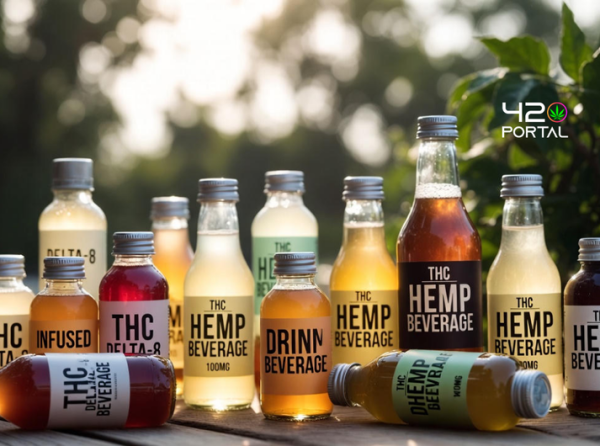
Economically, the fallout could be severe. Manufacturing costs will surge without the efficiencies of broad commerce, and prices for everyday CBD items might balloon from affordable over-the-counter options to premium dispensary fares, burdened by tax penalties that treat them as controlled substances. THC-infused beverages, a nascent category gaining shelf space in liquor stores and cafes, teeter on the brink; distributors may drop them entirely, crushing innovative brands that have only recently achieved mainstream legitimacy.
Reference
This move draws a sharper line between legal hemp, derived from low-THC industrial plants, and cannabis, which remains confined to state-licensed outlets with elevated THC content. By curbing interstate sales and online distribution, the policy aims to channel these goods through tightly controlled channels, potentially sidelining a multibillion-dollar sector that has boomed in recent years.
Lawmakers justified the restrictions as a safeguard against unregulated potency and misleading labeling, arguing that many hemp products skirt too close to intoxicating cannabis variants. Enforcement will dismantle the national supply chain, forcing producers to halt shipments across state lines and adapt to fragmented local rules. In states like Kentucky, New York, and Illinois that already regulate cannabis, hemp operations might persist in a parallel structure, but elsewhere, businesses face abrupt closures or costly pivots to dispensary models.
The industry, reeling from the decision, warns of dire consequences for consumers and entrepreneurs alike. Hemp advocates point out the irony: while marijuana markets thrive despite federal illegality, hemp faces stricter scrutiny despite its non-intoxicating roots. Full-spectrum CBD formulations, prized for the "entourage effect" where THC traces enhance therapeutic benefits like pain relief and anxiety reduction, will lose potency if reformulated to comply. Studies underscore how these synergies amplify efficacy, leaving users with diluted alternatives that may fall short.
Economically, the fallout could be severe. Manufacturing costs will surge without the efficiencies of broad commerce, and prices for everyday CBD items might balloon from affordable over-the-counter options to premium dispensary fares, burdened by tax penalties that treat them as controlled substances. THC-infused beverages, a nascent category gaining shelf space in liquor stores and cafes, teeter on the brink; distributors may drop them entirely, crushing innovative brands that have only recently achieved mainstream legitimacy.
Reference