







US Army Eases Marijuana Restrictions for Enlistment Candidates
03/27/2026
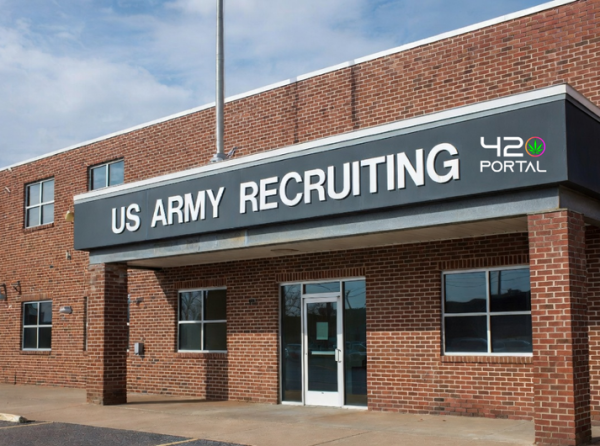
The United States Army has implemented a key policy change that removes previous restrictions related to minor marijuana offenses for those seeking to enlist. Applicants with one conviction for marijuana possession or for possessing associated paraphernalia such as bongs, pipes, or spoons will no longer need to obtain a special waiver from Pentagon officials.
Previously, these individuals faced a lengthy process that included a 24-month waiting period after the conviction and the need to pass a drug test before approval. The requirements created significant delays and often discouraged potential service members from pursuing a military career.
This update streamlines enlistment and expands the pool of eligible candidates at a time when the Army is working to meet its recruiting goals. As marijuana has gained legal status in many states for both medical and recreational purposes, an increasing number of young adults have records involving cannabis from periods when it was prohibited. The new rule acknowledges these societal shifts and treats a single past offense as less of a barrier to service.
Military leaders aim to focus evaluations on an applicant's current capabilities, character, and commitment rather than isolated events from their past. People with patterns of multiple convictions will still undergo additional review and may require waivers. All recruits continue to undergo thorough drug screening as part of the standard entry process to ensure they meet readiness standards.
The policy adjustment is scheduled to take effect on April 20. Observers view the timing as notable given the date's cultural association with cannabis. By reducing administrative hurdles, the Army hopes to attract a wider range of talented and motivated individuals who can contribute effectively to the force.
This change reflects a practical response to evolving legal and cultural norms around marijuana use across the country. It helps ensure that the military can draw from the broadest possible talent pool while upholding the high standards necessary for service. As attitudes toward cannabis continue to progress, the Army is adapting its recruitment strategies accordingly to remain competitive and inclusive while trying to put troops on the ground in Iran.
Reference
Previously, these individuals faced a lengthy process that included a 24-month waiting period after the conviction and the need to pass a drug test before approval. The requirements created significant delays and often discouraged potential service members from pursuing a military career.
This update streamlines enlistment and expands the pool of eligible candidates at a time when the Army is working to meet its recruiting goals. As marijuana has gained legal status in many states for both medical and recreational purposes, an increasing number of young adults have records involving cannabis from periods when it was prohibited. The new rule acknowledges these societal shifts and treats a single past offense as less of a barrier to service.
Military leaders aim to focus evaluations on an applicant's current capabilities, character, and commitment rather than isolated events from their past. People with patterns of multiple convictions will still undergo additional review and may require waivers. All recruits continue to undergo thorough drug screening as part of the standard entry process to ensure they meet readiness standards.
The policy adjustment is scheduled to take effect on April 20. Observers view the timing as notable given the date's cultural association with cannabis. By reducing administrative hurdles, the Army hopes to attract a wider range of talented and motivated individuals who can contribute effectively to the force.
This change reflects a practical response to evolving legal and cultural norms around marijuana use across the country. It helps ensure that the military can draw from the broadest possible talent pool while upholding the high standards necessary for service. As attitudes toward cannabis continue to progress, the Army is adapting its recruitment strategies accordingly to remain competitive and inclusive while trying to put troops on the ground in Iran.
Reference