







Texas Set to Prohibit Sales of Smokable Hemp THC Products Starting End of March
03/13/2026
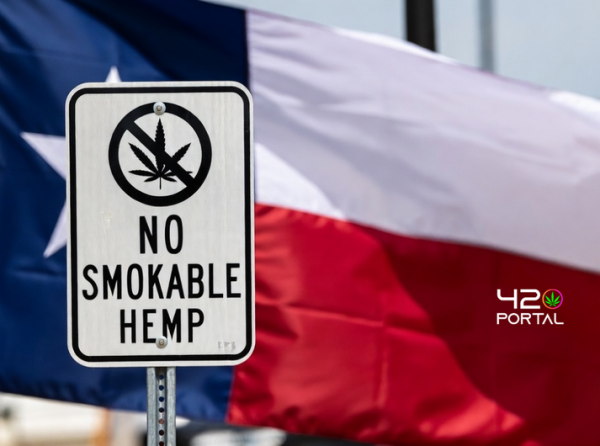
State officials in Texas have implemented regulations that will significantly restrict the hemp industry by prohibiting smokable cannabis products. The Department of State Health Services finalized rules that redefine how THC potency is determined. Instead of measuring only Delta 9 THC, the new total THC standard accounts for THCA, the acidic form that converts to the psychoactive compound when smoked or heated. This change means items such as flower, live resins, and rosins derived from hemp will no longer meet legal criteria for sale or production under state law.
The policy stems from an executive directive issued by Governor Greg Abbott following the state legislature's failure to pass comprehensive controls in 2025. It builds on the 2019 hemp legalization framework, which permitted products with low Delta 9 THC levels. Officials aim to close what they view as a loophole that allowed hemp-derived goods to mimic stronger marijuana effects while complying with the letter of earlier statutes. The approach also brings Texas in line with federal agriculture guidelines and existing state testing protocols.
Retailers throughout Texas, including those in major cities like Austin, must remove affected merchandise from shelves by the March 31 deadline. The smokable category represents a substantial portion of revenue for many stores, sometimes reaching 40 percent. Compounding the challenge are steep increases in licensing costs. Annual fees for retail outlets have jumped from a modest amount to $5,000 per location. Manufacturing permits now carry a $10,000 charge. These financial burdens may compel some operators to exit the market or raise prices considerably on remaining goods.
Edible hemp products will continue under the revised framework, subject to tougher child-resistant packaging and laboratory testing mandates. Possession of the restricted items remains legal for individuals, yet regulated supply will shrink dramatically. Industry groups have voiced fears that consumers will turn to out-of-state suppliers or illicit channels lacking safety standards or age verification. Such a shift could undermine public health efforts and consumer protections.
The Texas hemp market had expanded into a multibillion-dollar enterprise since its inception. These sweeping changes mark a pivotal moment as authorities seek clearer separation between hemp and marijuana markets. Businesses are now preparing for the transition while monitoring potential legal challenges to the regulations.
Reference
The policy stems from an executive directive issued by Governor Greg Abbott following the state legislature's failure to pass comprehensive controls in 2025. It builds on the 2019 hemp legalization framework, which permitted products with low Delta 9 THC levels. Officials aim to close what they view as a loophole that allowed hemp-derived goods to mimic stronger marijuana effects while complying with the letter of earlier statutes. The approach also brings Texas in line with federal agriculture guidelines and existing state testing protocols.
Retailers throughout Texas, including those in major cities like Austin, must remove affected merchandise from shelves by the March 31 deadline. The smokable category represents a substantial portion of revenue for many stores, sometimes reaching 40 percent. Compounding the challenge are steep increases in licensing costs. Annual fees for retail outlets have jumped from a modest amount to $5,000 per location. Manufacturing permits now carry a $10,000 charge. These financial burdens may compel some operators to exit the market or raise prices considerably on remaining goods.
Edible hemp products will continue under the revised framework, subject to tougher child-resistant packaging and laboratory testing mandates. Possession of the restricted items remains legal for individuals, yet regulated supply will shrink dramatically. Industry groups have voiced fears that consumers will turn to out-of-state suppliers or illicit channels lacking safety standards or age verification. Such a shift could undermine public health efforts and consumer protections.
The Texas hemp market had expanded into a multibillion-dollar enterprise since its inception. These sweeping changes mark a pivotal moment as authorities seek clearer separation between hemp and marijuana markets. Businesses are now preparing for the transition while monitoring potential legal challenges to the regulations.
Reference