







Sacramento Strengthens Marijuana Buffer Zones While Expanding Dispensary Options
06/26/2026
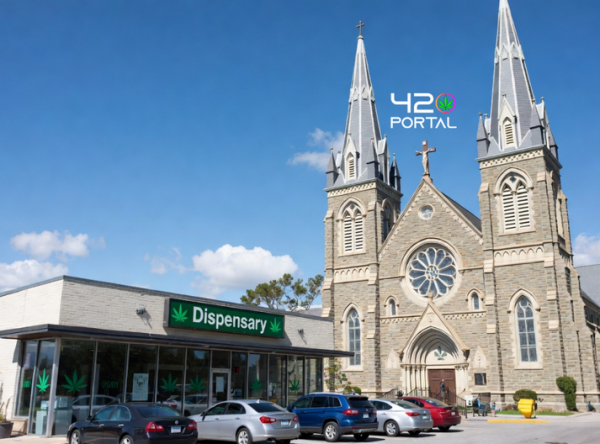
Sacramento city leaders recently approved changes to zoning rules governing marijuana dispensaries. The revisions add places of worship to the list of sensitive locations that must maintain a 600-foot distance from any cannabis retail outlet. This adjustment builds on existing buffers around schools, museums, and other public spaces. At the same time, the new framework permits dispensaries in residential mixed-use developments, limited commercial zones, and central business districts.
The marijuana industry in Sacramento has experienced steady expansion since legalization. Legal dispensaries provide controlled access to cannabis products, including various strains and formulations designed for medical and recreational use. Operators emphasize responsible practices, such as proper dosing guidance, to support consumers seeking therapeutic benefits.
The updated zoning rules could ease some operational challenges by increasing the number of viable locations for new businesses. Finding suitable properties has often been difficult due to strict location restrictions, which have sometimes delayed or prevented storefront openings.
Advocates within the cannabis sector view the changes as a way to foster greater public understanding of marijuana. They highlight how regulated outlets contribute to the local economy and offer safer alternatives to illegal sources. Concerns persist, however, about the proximity of dispensaries to community institutions. Some residents and faith leaders argue that easy access near churches could undermine efforts to support individuals recovering from substance-related issues. The 600-foot buffer addresses these worries by creating physical separation.
Another key aspect of the discussion involves curbing illegal marijuana activity. Unregulated sales continue to supply teens and young adults, undercutting legitimate businesses and complicating enforcement efforts. City officials and industry participants share an interest in strengthening oversight to protect public health and direct consumers toward licensed providers. The new regulations take effect on July 17, potentially reshaping how marijuana businesses operate across the city.
Overall, these policy adjustments reflect ongoing efforts to integrate the cannabis industry responsibly into Sacramento neighborhoods. By refining buffer requirements and broadening allowable zones, leaders seek to promote safe access while addressing community sensitivities around marijuana distribution and use. The changes may encourage investment in legal operations and reduce reliance on underground markets.
Reference
The marijuana industry in Sacramento has experienced steady expansion since legalization. Legal dispensaries provide controlled access to cannabis products, including various strains and formulations designed for medical and recreational use. Operators emphasize responsible practices, such as proper dosing guidance, to support consumers seeking therapeutic benefits.
The updated zoning rules could ease some operational challenges by increasing the number of viable locations for new businesses. Finding suitable properties has often been difficult due to strict location restrictions, which have sometimes delayed or prevented storefront openings.
Advocates within the cannabis sector view the changes as a way to foster greater public understanding of marijuana. They highlight how regulated outlets contribute to the local economy and offer safer alternatives to illegal sources. Concerns persist, however, about the proximity of dispensaries to community institutions. Some residents and faith leaders argue that easy access near churches could undermine efforts to support individuals recovering from substance-related issues. The 600-foot buffer addresses these worries by creating physical separation.
Another key aspect of the discussion involves curbing illegal marijuana activity. Unregulated sales continue to supply teens and young adults, undercutting legitimate businesses and complicating enforcement efforts. City officials and industry participants share an interest in strengthening oversight to protect public health and direct consumers toward licensed providers. The new regulations take effect on July 17, potentially reshaping how marijuana businesses operate across the city.
Overall, these policy adjustments reflect ongoing efforts to integrate the cannabis industry responsibly into Sacramento neighborhoods. By refining buffer requirements and broadening allowable zones, leaders seek to promote safe access while addressing community sensitivities around marijuana distribution and use. The changes may encourage investment in legal operations and reduce reliance on underground markets.
Reference