







Minnesota City Implements Stricter Zoning Rules for Marijuana Dispensaries
01/30/2026
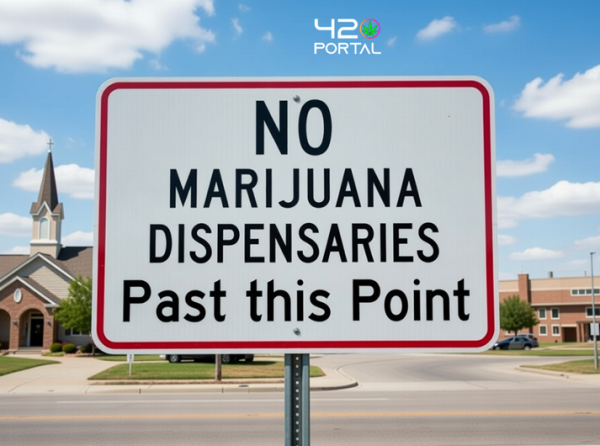
Missoula officials recently approved new zoning regulations to control the placement of marijuana dispensaries in the city. These changes introduce expanded buffer zones to separate dispensaries from sensitive community areas and from one another. Under the updated code, dispensaries must maintain a 1,000-foot distance from schools, churches, youth-serving facilities, parks, recreation areas, and substance use treatment centers. This represents a significant increase from the previous 500-foot requirement. Additionally, dispensaries must be at least 250 feet from any residentially zoned property.
The regulations permit dispensaries to operate in mixed-use and industrial districts but ban them entirely from residential zones. To accommodate growth, the definition of mixed-use areas has been broadened. However, existing dispensaries remain unaffected by these new rules, allowing them to continue operations without relocation.
City leaders noted that Missoula once had around 60 dispensaries, a number that has naturally declined to about 50 due to business closures. By spacing out future locations, the city aims to curb over-concentration while preserving competitive market dynamics.
Public health experts and council members have highlighted the need to address perceptions of marijuana as a low-risk substance among adolescents. Several officials expressed support for the measures during discussions, emphasizing the importance of reducing accessibility near places where children and teens gather.
The Missoula City Council passed the zoning amendment on January 21, 2026. This follows a two-year local moratorium on new recreational dispensary licenses, which began after the 2024 health reports and is scheduled to end in August 2026. A statewide pause on new marijuana licenses extends until June 30, 2027, permitting relocations but limiting expansions.
In comparison, other Montana cities have adopted varied approaches. Billings prohibits recreational sales within city limits and caps medical dispensaries at eight. Bozeman follows the state's minimum 500-foot buffer from schools and similar sites. Great Falls restricts operations to industrial zones, while Helena requires a 500-foot buffer from public buildings and parks.
These developments build on Montana's 2020 voter approval of recreational marijuana, which sparked rapid industry growth. The state's regulated market has seen steady sales increases, generating substantial tax revenue over the past few years. Missoula's updates reflect ongoing efforts to balance economic benefits with community health priorities.