







Michigan's Cannabis Industry Battles New Wholesale Tax in Court
01/08/2026
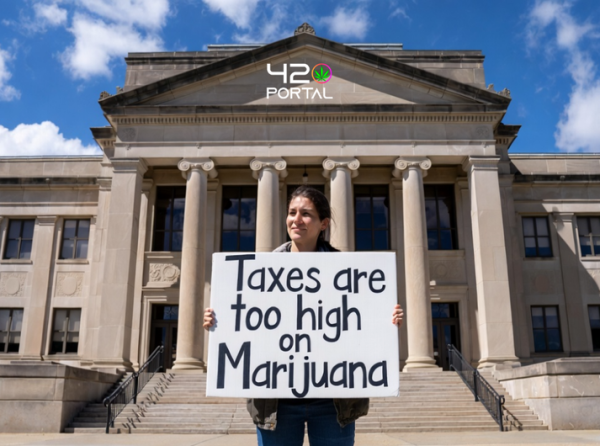
Michigan's legal cannabis sector kicked off 2026 with a 24% excise tax on wholesale transactions, which began collecting on January 1. Lawmakers slipped this into last year's budget deal to pump hundreds of millions into fixing the state's crumbling roads, but it's already sparking a fierce legal fight from industry players who say it tramples on what voters decided back in 2018.
When Michiganders voted to legalize recreational marijuana through a ballot initiative, they set up a straightforward system including a 10% retail excise tax on top of regular sales tax. That setup was meant to keep prices competitive, pull people away from the black market, and generate revenue without crushing the budding industry. The new wholesale levy, pushed through with a simple majority vote during late-night budget talks, adds a massive layer on top. Critics argue it effectively hikes the overall tax bite and needed a three-quarters supermajority in the Legislature to touch the voter-approved law.
The Michigan Cannabis Industry Association, along with some businesses, took the state to court late last year, claiming the move violates the state constitution. They worry it'll jack up shelf prices at a time when many operators are already scraping by on slim margins in an oversaturated market. Higher costs could drive customers back to illegal dealers, undoing years of progress in building a regulated system. Plus, small growers and retailers might get squeezed out, consolidating power in bigger hands.
So far, judges have let the tax roll out while the case plays on. A Court of Claims ruling early this year turned down the state's bid to toss the lawsuit, opening the door for more evidence on whether this really undermines the original legalization goals. An appeal is in the works, too, so collection continues for now.
Road repairs are a perennial headache in Michigan, and lawmakers saw cannabis as an easy revenue stream with projections pegging it at over $400 million a year. But for those in the industry, it's feeling more like a gut punch than a fair share. This showdown could drag on, testing just how much the Legislature can tweak voter initiatives without going back to the ballot. In the meantime, dispensary owners are bracing for tougher times ahead.
Reference
When Michiganders voted to legalize recreational marijuana through a ballot initiative, they set up a straightforward system including a 10% retail excise tax on top of regular sales tax. That setup was meant to keep prices competitive, pull people away from the black market, and generate revenue without crushing the budding industry. The new wholesale levy, pushed through with a simple majority vote during late-night budget talks, adds a massive layer on top. Critics argue it effectively hikes the overall tax bite and needed a three-quarters supermajority in the Legislature to touch the voter-approved law.
The Michigan Cannabis Industry Association, along with some businesses, took the state to court late last year, claiming the move violates the state constitution. They worry it'll jack up shelf prices at a time when many operators are already scraping by on slim margins in an oversaturated market. Higher costs could drive customers back to illegal dealers, undoing years of progress in building a regulated system. Plus, small growers and retailers might get squeezed out, consolidating power in bigger hands.
So far, judges have let the tax roll out while the case plays on. A Court of Claims ruling early this year turned down the state's bid to toss the lawsuit, opening the door for more evidence on whether this really undermines the original legalization goals. An appeal is in the works, too, so collection continues for now.
Road repairs are a perennial headache in Michigan, and lawmakers saw cannabis as an easy revenue stream with projections pegging it at over $400 million a year. But for those in the industry, it's feeling more like a gut punch than a fair share. This showdown could drag on, testing just how much the Legislature can tweak voter initiatives without going back to the ballot. In the meantime, dispensary owners are bracing for tougher times ahead.
Reference