







Marijuana Reclassification Opens New Avenues for Medical Research
05/02/2026
The recent move by federal authorities to reclassify marijuana represents a pivotal shift in how the drug is viewed for medical purposes. Previously listed as a Schedule I substance, marijuana was considered to have a high potential for abuse and no accepted medical applications. Its new placement in Schedule III acknowledges moderate to low dependence risks alongside recognized therapeutic benefits.
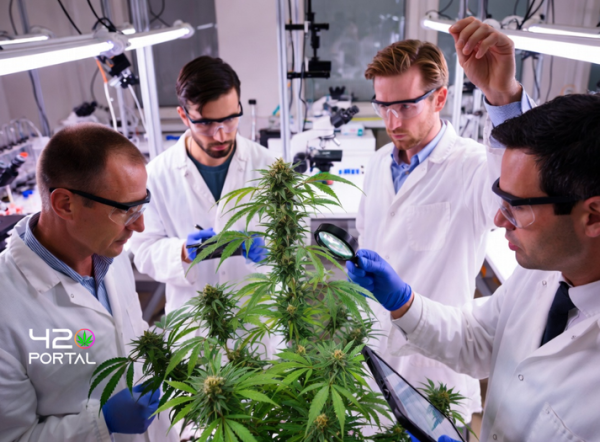
This change is anticipated to facilitate greater access for researchers to high-quality marijuana products. Scientists will now be able to obtain materials such as cannabis flower, tinctures, and edibles directly from state-licensed facilities. These sources offer superior variety and quality compared to the previous limited federal supplies. As a result, experts can conduct more robust clinical trials to evaluate marijuana’s effectiveness in treating conditions including chronic pain, nausea in cancer patients, and muscle spasms associated with multiple sclerosis. There is also growing interest in exploring its role as an alternative to opioids for pain management.
Despite these advancements, health professionals caution that the reclassification does not imply the drug is without dangers. Studies have identified potential adverse effects, particularly among certain populations. Adolescents may experience impacts on brain development, while pregnant individuals face risks to fetal health. Those with preexisting mental health disorders, such as schizophrenia, could see symptoms worsen. Additionally, individuals with cardiac conditions need to exercise care due to possible interactions with other medications.
State-level regulations continue to create inconsistencies in product testing and safety standards. Some medical marijuana programs lack comprehensive screening for contaminants like molds, pesticides, and heavy metals. Patients are advised to consult healthcare providers and begin with low doses of tetrahydrocannabinol, the primary psychoactive component, gradually titrating upward under supervision.
Overall, this development marks an important step toward building a stronger evidence base for marijuana use in medicine. It encourages a balanced approach that weighs potential benefits against known risks through continued rigorous research.
Reference
This change is anticipated to facilitate greater access for researchers to high-quality marijuana products. Scientists will now be able to obtain materials such as cannabis flower, tinctures, and edibles directly from state-licensed facilities. These sources offer superior variety and quality compared to the previous limited federal supplies. As a result, experts can conduct more robust clinical trials to evaluate marijuana’s effectiveness in treating conditions including chronic pain, nausea in cancer patients, and muscle spasms associated with multiple sclerosis. There is also growing interest in exploring its role as an alternative to opioids for pain management.
Despite these advancements, health professionals caution that the reclassification does not imply the drug is without dangers. Studies have identified potential adverse effects, particularly among certain populations. Adolescents may experience impacts on brain development, while pregnant individuals face risks to fetal health. Those with preexisting mental health disorders, such as schizophrenia, could see symptoms worsen. Additionally, individuals with cardiac conditions need to exercise care due to possible interactions with other medications.
State-level regulations continue to create inconsistencies in product testing and safety standards. Some medical marijuana programs lack comprehensive screening for contaminants like molds, pesticides, and heavy metals. Patients are advised to consult healthcare providers and begin with low doses of tetrahydrocannabinol, the primary psychoactive component, gradually titrating upward under supervision.
Overall, this development marks an important step toward building a stronger evidence base for marijuana use in medicine. It encourages a balanced approach that weighs potential benefits against known risks through continued rigorous research.
Reference