







Idaho Activists Deliver Signatures to Place Medical Marijuana on November Ballot
05/15/2026
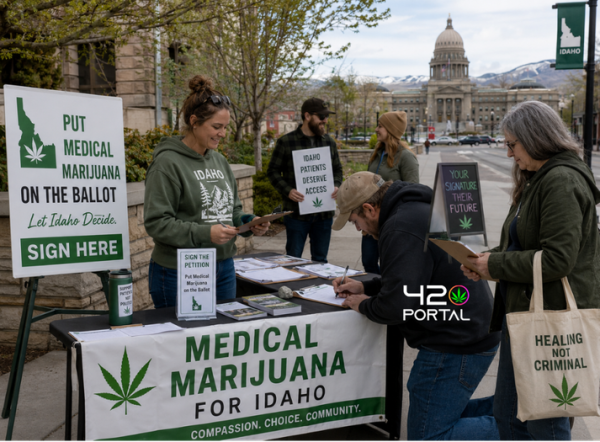
Idaho stands poised for a potential expansion of medical marijuana access after organizers turned in a substantial collection of voter signatures to state officials. The submission of over 15,000 signatures earlier this month exceeded the threshold required for a citizens' initiative by a wide margin, setting the stage for possible voter consideration later this year. Local election authorities will now spend the next 60 days reviewing the petitions to confirm that they include valid signatures from at least 6% of registered voters in at least 18 of the state's 35 legislative districts.
At the heart of the proposal lies the Idaho Medical Cannabis Act, which would establish a tightly regulated program for medical marijuana use. The measure centers on allowing licensed medical practitioners to recommend cannabis to patients dealing with qualifying conditions such as cancer, post-traumatic stress disorder, and anxiety. Eligible individuals who obtain identification cards would gain the ability to purchase specific amounts of marijuana products each month. Cardholders could acquire up to 113 grams of smokable cannabis or 20 grams of THC extract formulated for vaping purposes.
Production and distribution would operate under strict controls to maintain safety and oversight. The act would initially issue only three licenses for cannabis cultivation and processing. Each licensed operation would focus on growing, manufacturing, and selling marijuana exclusively to verified cardholders, creating a closed-loop system that limits availability to medical needs alone.
The initiative also seeks to reclassify marijuana from a Schedule I to a Schedule II controlled substance at the state level. This adjustment would formally recognize its therapeutic potential while preserving regulatory safeguards. In addition, the proposal includes protections against discrimination for those who use medical marijuana legally, covering aspects of daily life such as employment and housing.
Supporters of medical marijuana emphasize that the program would offer relief to patients facing serious health challenges without broadly legalizing recreational use. By capping possession amounts and restricting supply through a small number of licensed providers, the act aims to balance access with public safety.
Reference
At the heart of the proposal lies the Idaho Medical Cannabis Act, which would establish a tightly regulated program for medical marijuana use. The measure centers on allowing licensed medical practitioners to recommend cannabis to patients dealing with qualifying conditions such as cancer, post-traumatic stress disorder, and anxiety. Eligible individuals who obtain identification cards would gain the ability to purchase specific amounts of marijuana products each month. Cardholders could acquire up to 113 grams of smokable cannabis or 20 grams of THC extract formulated for vaping purposes.
Production and distribution would operate under strict controls to maintain safety and oversight. The act would initially issue only three licenses for cannabis cultivation and processing. Each licensed operation would focus on growing, manufacturing, and selling marijuana exclusively to verified cardholders, creating a closed-loop system that limits availability to medical needs alone.
The initiative also seeks to reclassify marijuana from a Schedule I to a Schedule II controlled substance at the state level. This adjustment would formally recognize its therapeutic potential while preserving regulatory safeguards. In addition, the proposal includes protections against discrimination for those who use medical marijuana legally, covering aspects of daily life such as employment and housing.
Supporters of medical marijuana emphasize that the program would offer relief to patients facing serious health challenges without broadly legalizing recreational use. By capping possession amounts and restricting supply through a small number of licensed providers, the act aims to balance access with public safety.
Reference