







Hemp-Derived THC Products Surge in Popularity Across North Carolina
03/13/2026
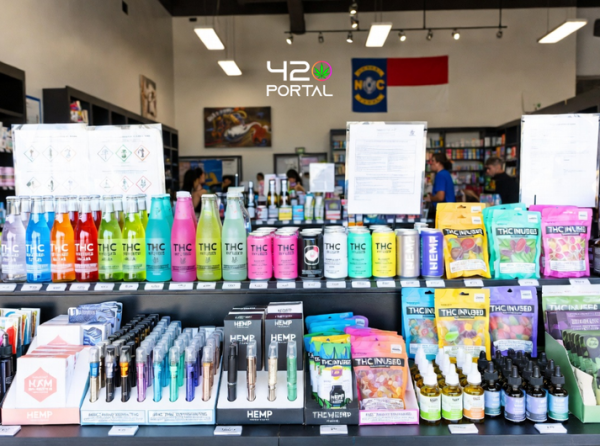
Hemp products containing THC have flooded retail outlets across North Carolina in recent years. Shoppers now encounter a wide array of sodas, seltzers, gummies, candies, vapes, and oils on store shelves. This boom stems from federal legislation passed in 2018, combined with state law updates in 2022 that permitted commercial cultivation and sales of hemp.
These goods offer options for relaxation and wellness support without traditional marijuana restrictions. Hemp differs from marijuana primarily by its low THC concentration. Yet many available items surpass the 0.3 percent delta-9 THC dry weight limit set for legal hemp classification. When this happens, the products technically qualify as marijuana under the law.
Enforcement agencies have responded by conducting tests on seized hemp merchandise. Results indicated that the vast majority contained excessive THC levels. One investigation in Johnston County led to drug trafficking charges against a business owner after high-strength gummies reached underage buyers. Laboratory analysis confirmed the potency violations.
Healthcare providers report growing numbers of emergency visits tied to cannabinoid effects. Patients sometimes experience cannabinoid hyperemesis syndrome, marked by intense stomach pain, persistent vomiting, and dehydration. Hospitals in the region have handled more such cases as product use spreads.
Industry participants stress the importance of responsible consumption practices. New users benefit from beginning with minimal doses and allowing sufficient time for effects to appear. Edible forms typically require up to ninety minutes while beverages act more quickly. Personal tolerance levels differ considerably among individuals.
State regulations do not mandate specific product labeling or certificates verifying test results. This situation creates challenges for buyers trying to make informed choices. Several dedicated hemp retailers voluntarily supply testing documentation and train staff to answer questions thoroughly. They also voluntarily implement age verification procedures.
Community members voice concerns regarding youth exposure. Products have circulated among high school students, prompting calls for sales restrictions on those under 21. Experts advise families to secure these items carefully away from children, similar to how they handle alcohol or tobacco. Consumers should seek out established shops with knowledgeable personnel and request verification details when possible. Ongoing debates focus on strengthening oversight to balance industry growth with public safety needs.
Reference
These goods offer options for relaxation and wellness support without traditional marijuana restrictions. Hemp differs from marijuana primarily by its low THC concentration. Yet many available items surpass the 0.3 percent delta-9 THC dry weight limit set for legal hemp classification. When this happens, the products technically qualify as marijuana under the law.
Enforcement agencies have responded by conducting tests on seized hemp merchandise. Results indicated that the vast majority contained excessive THC levels. One investigation in Johnston County led to drug trafficking charges against a business owner after high-strength gummies reached underage buyers. Laboratory analysis confirmed the potency violations.
Healthcare providers report growing numbers of emergency visits tied to cannabinoid effects. Patients sometimes experience cannabinoid hyperemesis syndrome, marked by intense stomach pain, persistent vomiting, and dehydration. Hospitals in the region have handled more such cases as product use spreads.
Industry participants stress the importance of responsible consumption practices. New users benefit from beginning with minimal doses and allowing sufficient time for effects to appear. Edible forms typically require up to ninety minutes while beverages act more quickly. Personal tolerance levels differ considerably among individuals.
State regulations do not mandate specific product labeling or certificates verifying test results. This situation creates challenges for buyers trying to make informed choices. Several dedicated hemp retailers voluntarily supply testing documentation and train staff to answer questions thoroughly. They also voluntarily implement age verification procedures.
Community members voice concerns regarding youth exposure. Products have circulated among high school students, prompting calls for sales restrictions on those under 21. Experts advise families to secure these items carefully away from children, similar to how they handle alcohol or tobacco. Consumers should seek out established shops with knowledgeable personnel and request verification details when possible. Ongoing debates focus on strengthening oversight to balance industry growth with public safety needs.
Reference