







Alaska Lawmakers Weigh New Marijuana Sales Tax Proposal
03/06/2026
Lawmakers in Alaska are examining ways to update how the state taxes marijuana. The present system imposes a flat excise tax of $50 per ounce on flower cultivators. Industry members have noted that this high rate creates serious difficulties in competing with cheaper illegal alternatives that flood the market.
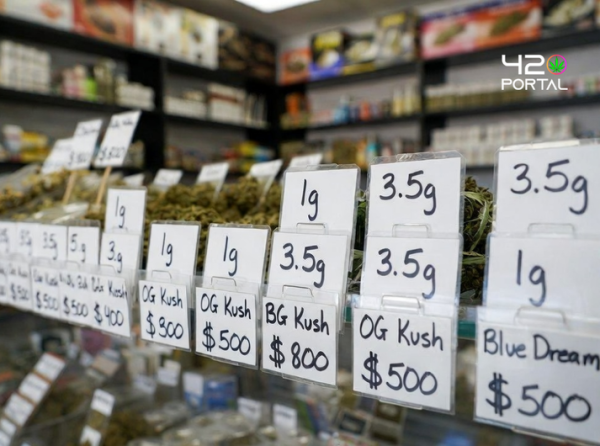
Retail prices for regulated marijuana typically fall between 180 dollars and 400 dollars per ounce. Meanwhile, illicit sellers offer similar products for $100 to $150. This disparity has led to decreasing tax revenues in recent years. Cultivators owe the state more than 5.5 million dollars in overdue taxes.
Legislators have proposed a plan to phase out the cultivation tax over time. The process would start by lowering it to $12.50 per ounce, beginning in the middle of 2026. In its place, a 6 percent sales tax would be charged to buyers at retail locations. This model resembles the taxes imposed on other regulated substances such as alcohol and cigarettes.
Advocates of the sales tax approach believe it would create a more equitable system that adjusts based on actual sales prices rather than on a fixed weight-based charge. This could provide relief to licensed operators and encourage growth in the legal market. Several Alaska municipalities currently apply their own sales taxes to marijuana purchases.
Implementing these changes is expected to cause a short-term drop in state income from marijuana taxes, potentially by 8 million dollars or more in the first full year. Part of the revenue would be reallocated to support kindergarten through 12th-grade education initiatives. The ideas are built upon findings from a special task force on recreational marijuana.
Committee members have heard information regarding the ongoing pressures facing the industry and the risks posed by unregulated competition. Lawmakers must now decide which path best balances support for businesses with the state's fiscal needs. The decision will likely shape the marijuana industry in Alaska for years to come.
Reference
Retail prices for regulated marijuana typically fall between 180 dollars and 400 dollars per ounce. Meanwhile, illicit sellers offer similar products for $100 to $150. This disparity has led to decreasing tax revenues in recent years. Cultivators owe the state more than 5.5 million dollars in overdue taxes.
Legislators have proposed a plan to phase out the cultivation tax over time. The process would start by lowering it to $12.50 per ounce, beginning in the middle of 2026. In its place, a 6 percent sales tax would be charged to buyers at retail locations. This model resembles the taxes imposed on other regulated substances such as alcohol and cigarettes.
Advocates of the sales tax approach believe it would create a more equitable system that adjusts based on actual sales prices rather than on a fixed weight-based charge. This could provide relief to licensed operators and encourage growth in the legal market. Several Alaska municipalities currently apply their own sales taxes to marijuana purchases.
Implementing these changes is expected to cause a short-term drop in state income from marijuana taxes, potentially by 8 million dollars or more in the first full year. Part of the revenue would be reallocated to support kindergarten through 12th-grade education initiatives. The ideas are built upon findings from a special task force on recreational marijuana.
Committee members have heard information regarding the ongoing pressures facing the industry and the risks posed by unregulated competition. Lawmakers must now decide which path best balances support for businesses with the state's fiscal needs. The decision will likely shape the marijuana industry in Alaska for years to come.
Reference